
ENGLISH VERSION BELOW, please scroll down –>>
Lumea în 1893 era foarte diferită de cea de azi: imperii, locomotive cu aburi, joben și frac… Și totuși, putem a avea o conexiune directă, senzorială, cu acele vremuri: putem bea vin din viile de atunci. Într-un fel, gustăm o înghițitură de istorie, la propriu. Viile vechi sunt mai mult decât niște plante-muzeu, sunt niște martori vii, care au trăit nu doar în secolul trecut, ci chiar în cel de dinainte!
Delia Székely, cercetător și consultant în viticultură și oenologie, este și owner-ul a (probabil) cea mai veche vie pe rod din România: Via din Tăușeni, și cea care a salvat și reabilitat această ”relicvă” din sec XIX. ”A îngriji o astfel de vie e ca și cum ai îngriji niște bătrâni. Butucii au nevoie de un tratament individual fiecare, și multă judecată înainte de măsuri mai radicale.”
Termenul de ”vie veche” e recent intrat în vocabularul iubitorilor de vinuri; secole de-a rândul, cultivatorii nu și-au pus problema vârstei viei. Invazia filoxerei de la finalul sec. XIX a venit ca o mare resetare a cronologiei viticole; am putea număra anii a.f. și p.f. (ante-filoxeră și post-filoxeră), atât de însemnat este acel punct în ceea ce privește vechimea viei și vinului în Europa.
”Via veche în general trebuie să aibă peste 50 de ani pentru a fi considerată bătrână, deși perioada de maximă productivitate ține până la 35 de ani, iar peste această vârstă producătorii preferă să înlocuiască plantele cu altele tinere pentru a profita de cea mai ridicată cantitate de struguri la hectar” declară Delia. Cu atât mai spectaculoase sunt viile cu adevărat vechi, de peste 100 de ani și mai bine!
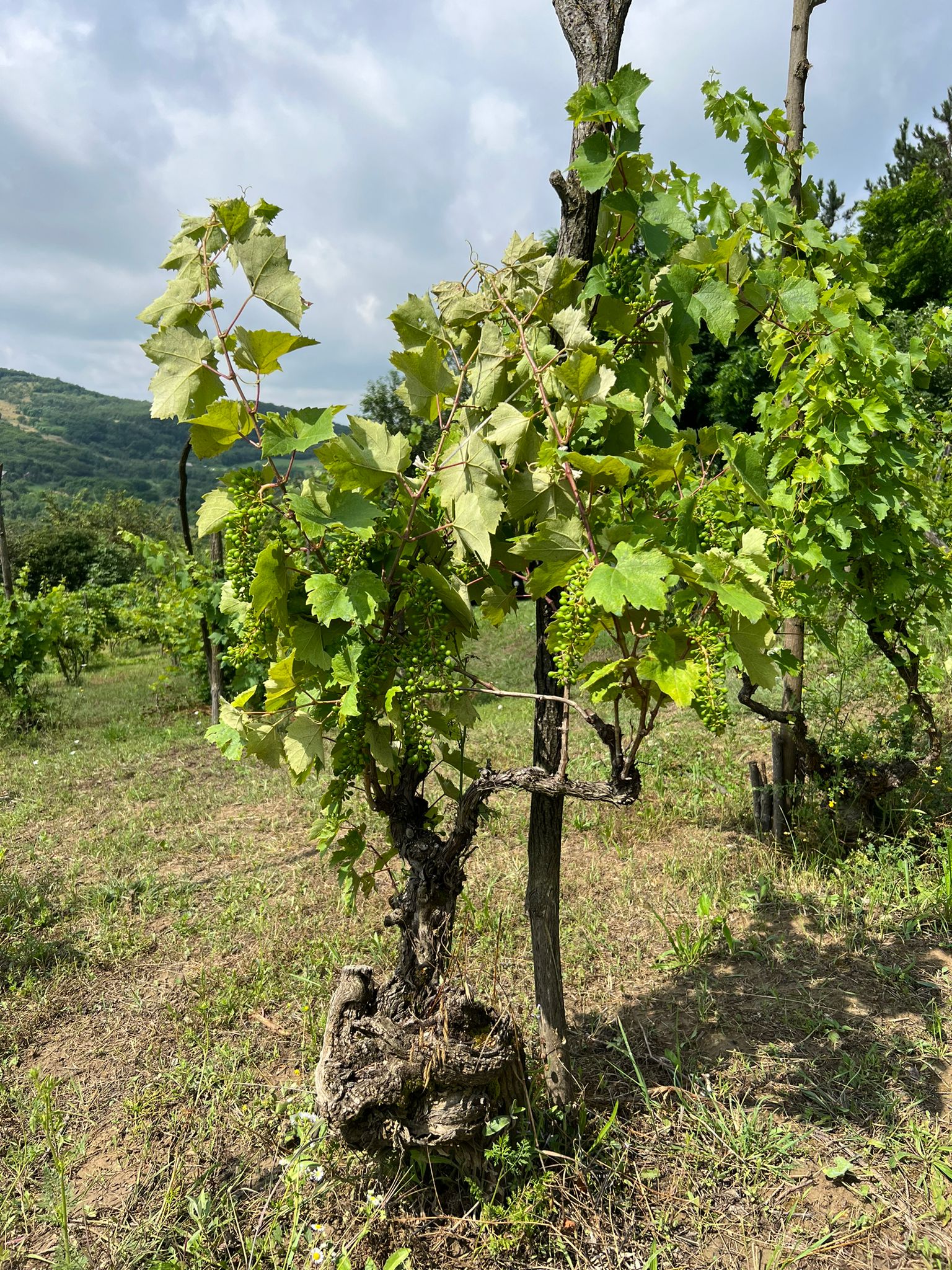
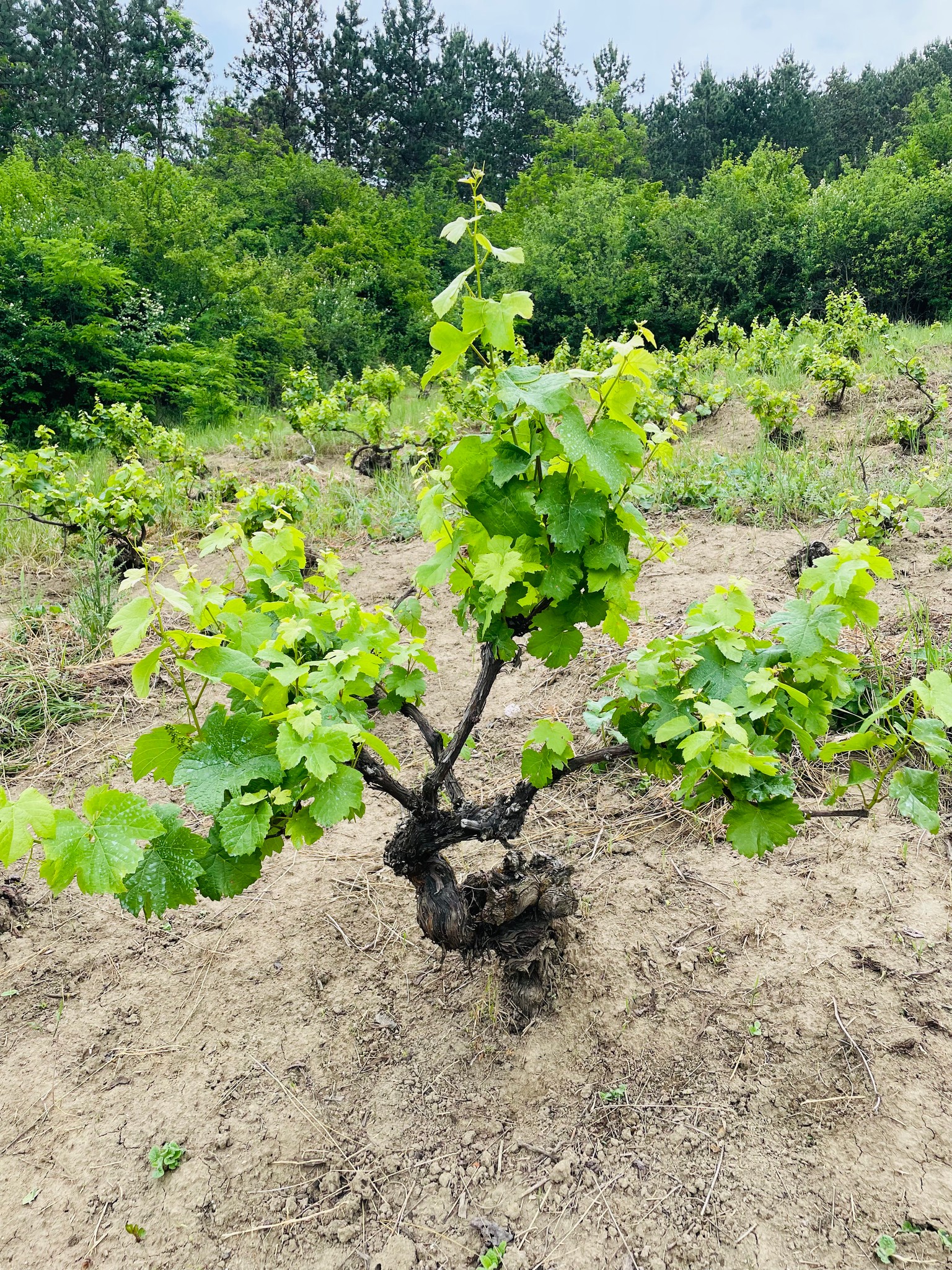
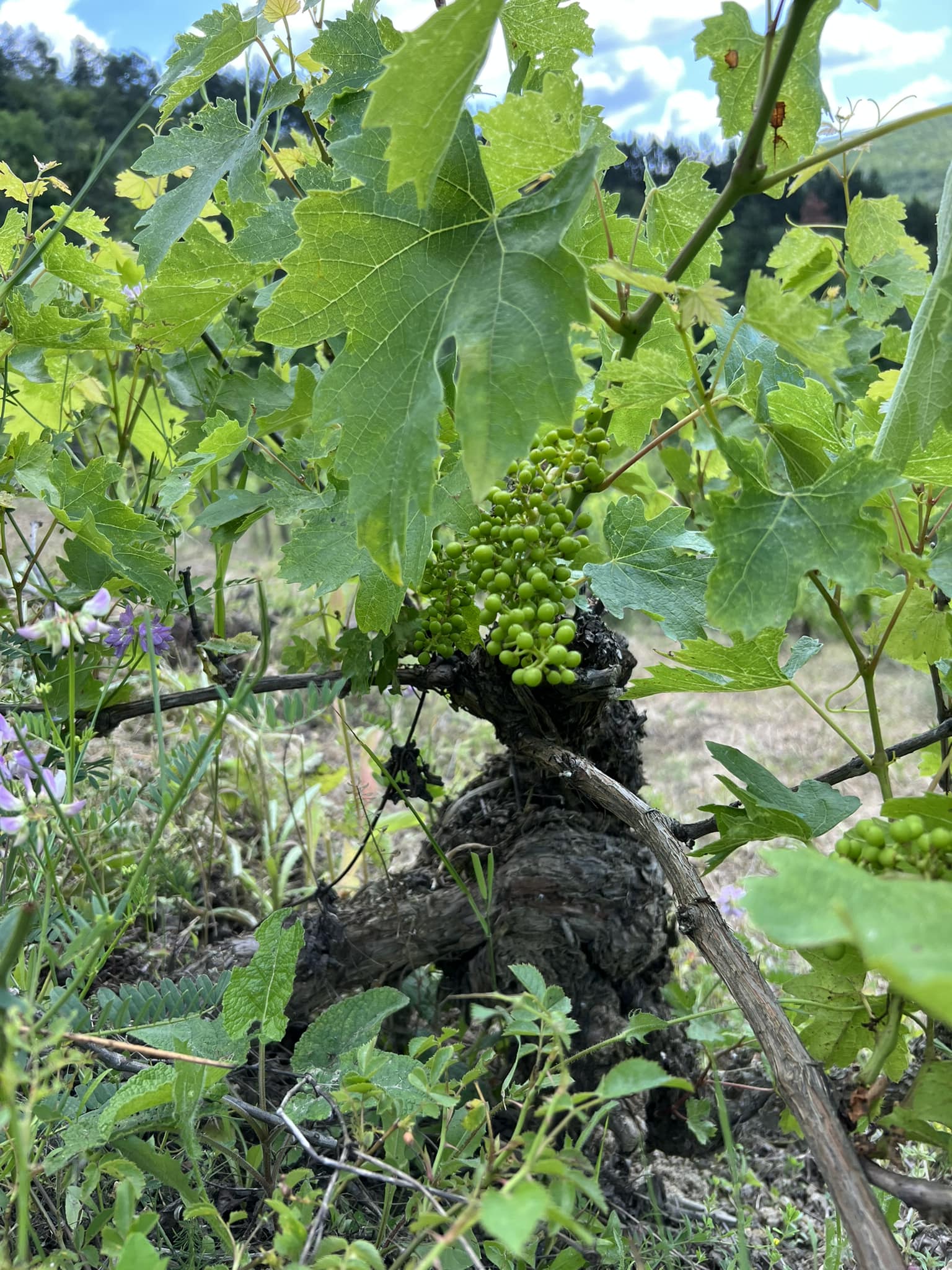
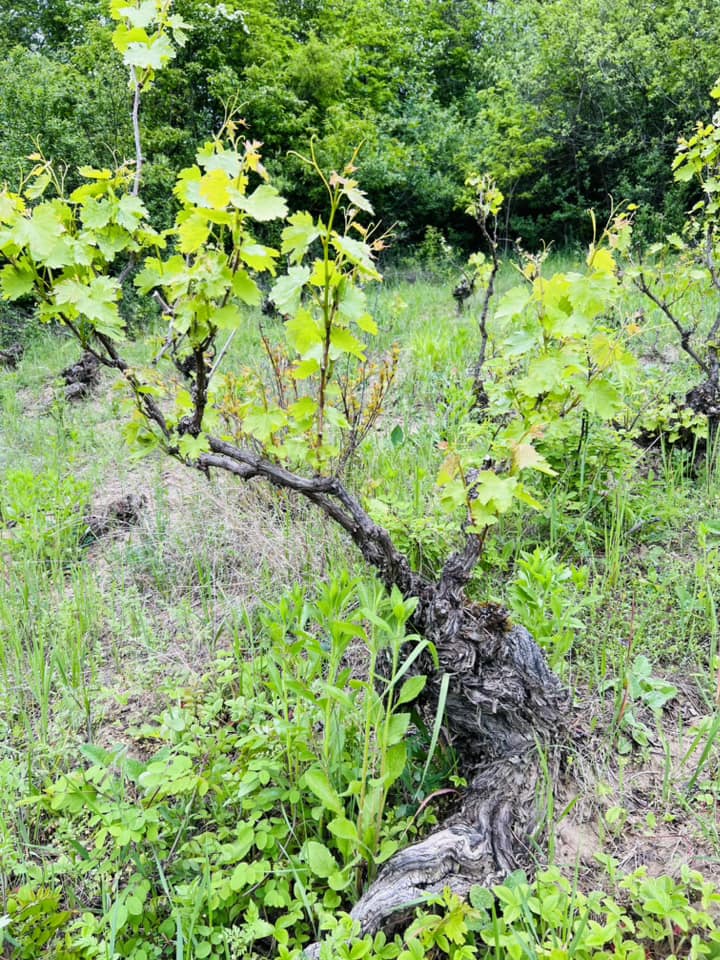
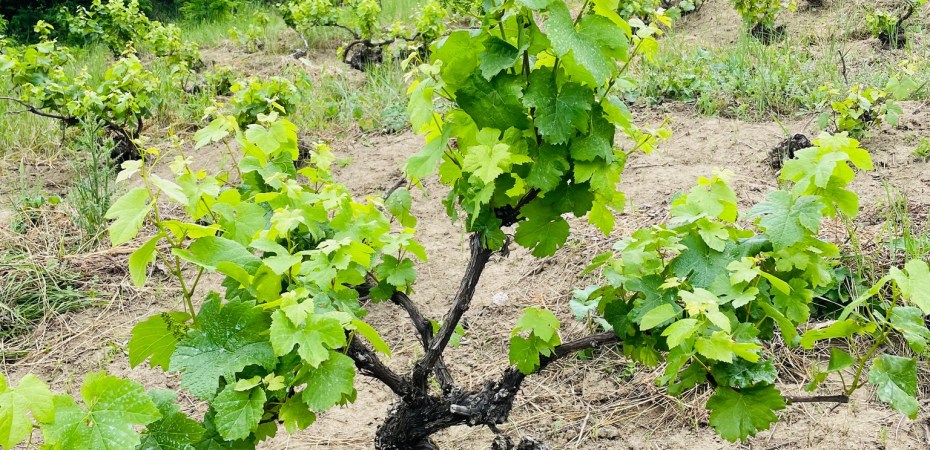
Vorbind cu Delia despre vii vechi, se vede afecțiunea cu care vorbește despre plante, mândria de care i se încarcă ochii când explică tehnicile aplicate. Relația poate fi emoțională, dar nu irațională: există fundamente științifice, chiar dacă fragmentate și insuficient dezvoltate.
Viile vechi sunt mai rezistente la valurile de căldură și secetă, ceea ce le face mult mai capabile să supraviețuiască volatilității schimbărilor climatice. Sunt perfect adaptate microclimatului local, suportând atât boli și dăunători, înghețuri și ploi, cât și factorii umani -neglijarea, ori chiar distrugerea.
Iar randamentele lor mici duc la producția de vinuri de o concentrație și intensitate remarcabilă.
Via din Tăușeni a fost înființată de canonicul Boroș Ilarie din Gherla; în 1893 acesta a adus din Statele Unite mai multe soiuri de vițe nobile și portaltoi. Împreună cu inginer francez, au ales parcela unde este poziționată via și procentajul de varietăți, fiind un moment extrem de sensibil: filoxera încă făcea ravagii în viile din estul Europei, altoirea abia dădea rezultate, iar cultivatorii locali nu și-au pus încrederea într-un singur soi.
Accentul a fost pe soiurile albe: Pinot Gris, Chasselas alb și rose, Traminer, Neuburger, Feteasca albă și Riesling; în anii 1990 golurile au fost completate cu butași din soiurile Napoca, Perla de Zala, Muscat Ottonel. ”În vie mai există câteva soiuri roșii, însă nu am reușit să le identificăm până acum, dar analizele genetice vor elucida misterul” declară Delia.
De la o mică proprietate rurală din nordul Transilvaniei, via reușește să iasă din anonimat, obținând în anii ’30 o medalie de aur pe țară, și locul II la Paris la categoria vin de amestec.
În anul 1944 via lui Boroș este cumpărată de familia Tuluc care o folosește până în anul 1962 când are loc colectivizarea, apoi o redobândește și o îngrijește până în anul 2016. Dealtfel, anul respectiv aduce și cea mai mare cantitate de vin făcută din via respectivă, în jur de 6.000 l.
”Via din Tăușeni a fost printre primele vii altoite plantate postfiloxeric în România” povestește Delia. Acestea au rezistat foarte bine, iar de-a lungul anilor a dobândit o rezistență considerabilă la boli și dăunători. Rădăcinile sale ajung la adâncimi de peste 15 metri, extrăgând substanțe nutritive de pe mai multe orizonturi geologice. O bună rezistență și capacitate de regenerare o are inclusiv în cazul ploilor torențiale, frig, secetă, grindină și altele, și în plus nici nu necesită atât de multe tratamente fito sanitare.
Via este situată în comuna Bonțida, județul Cluj, într-o zonă deluroasă, pe sol luto-argilos, expoziție sudică, la 500 m altitudine, pe o pantă de până la 30 grade înclinație, destul de abruptă și dificil de lucrat, însă cu o bună aerație și drenare a apei.
Particularitatea o reprezintă așezarea într-o ”concavitate” în coasta dealului, o porțiune însorită și ferită; acolo via nu îngheață chiar și la temperaturi de -16°. Există o faună și floră bogată și bine conservată, datorită faptului că în zonă nu s-a făcut agricultură industrială; în apropiere e o pădure veche de foioase pe versanții nord-vestici, iar versanții sudici poartă păduri de pini pentru combaterea eroziunii.
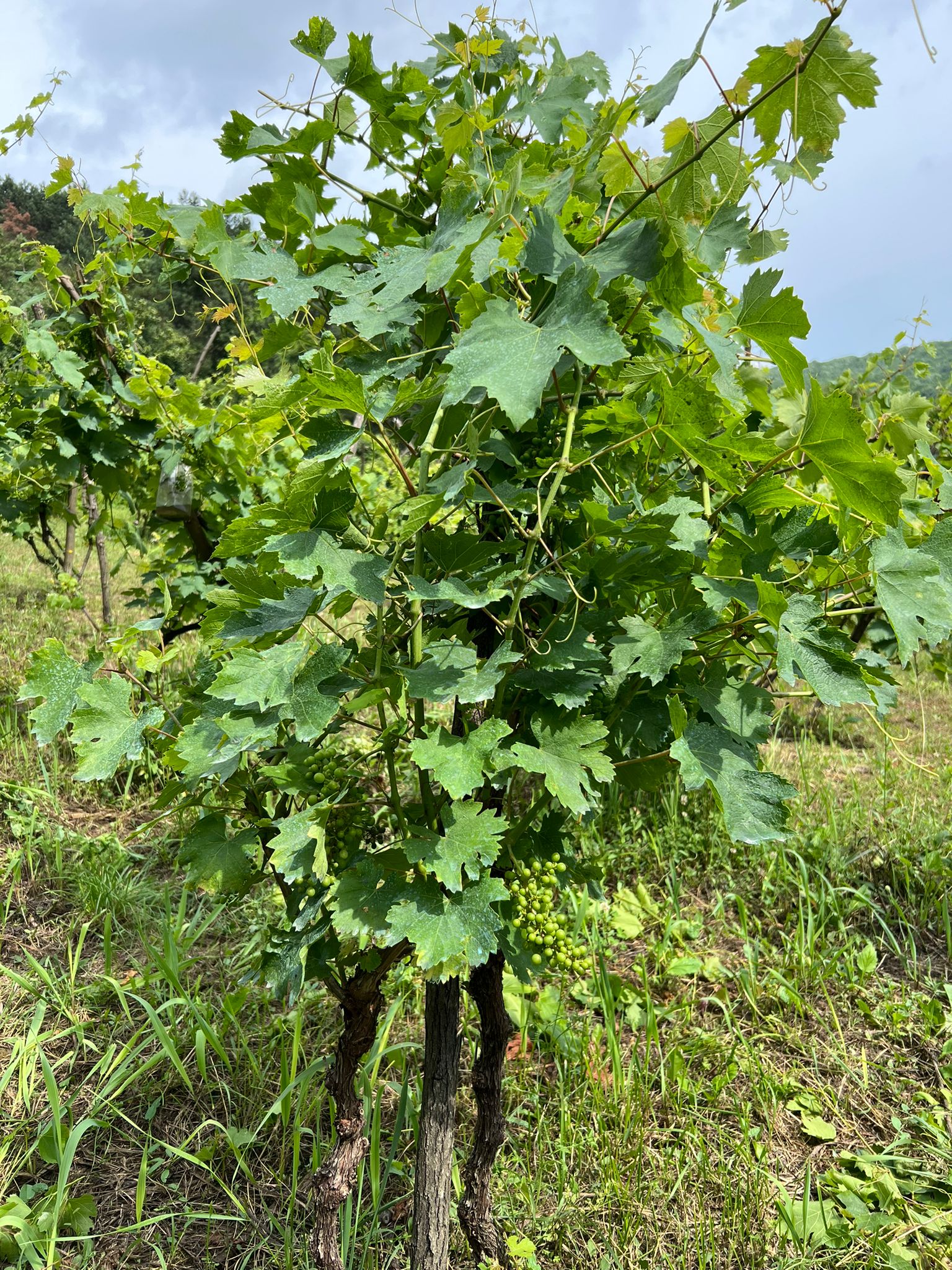
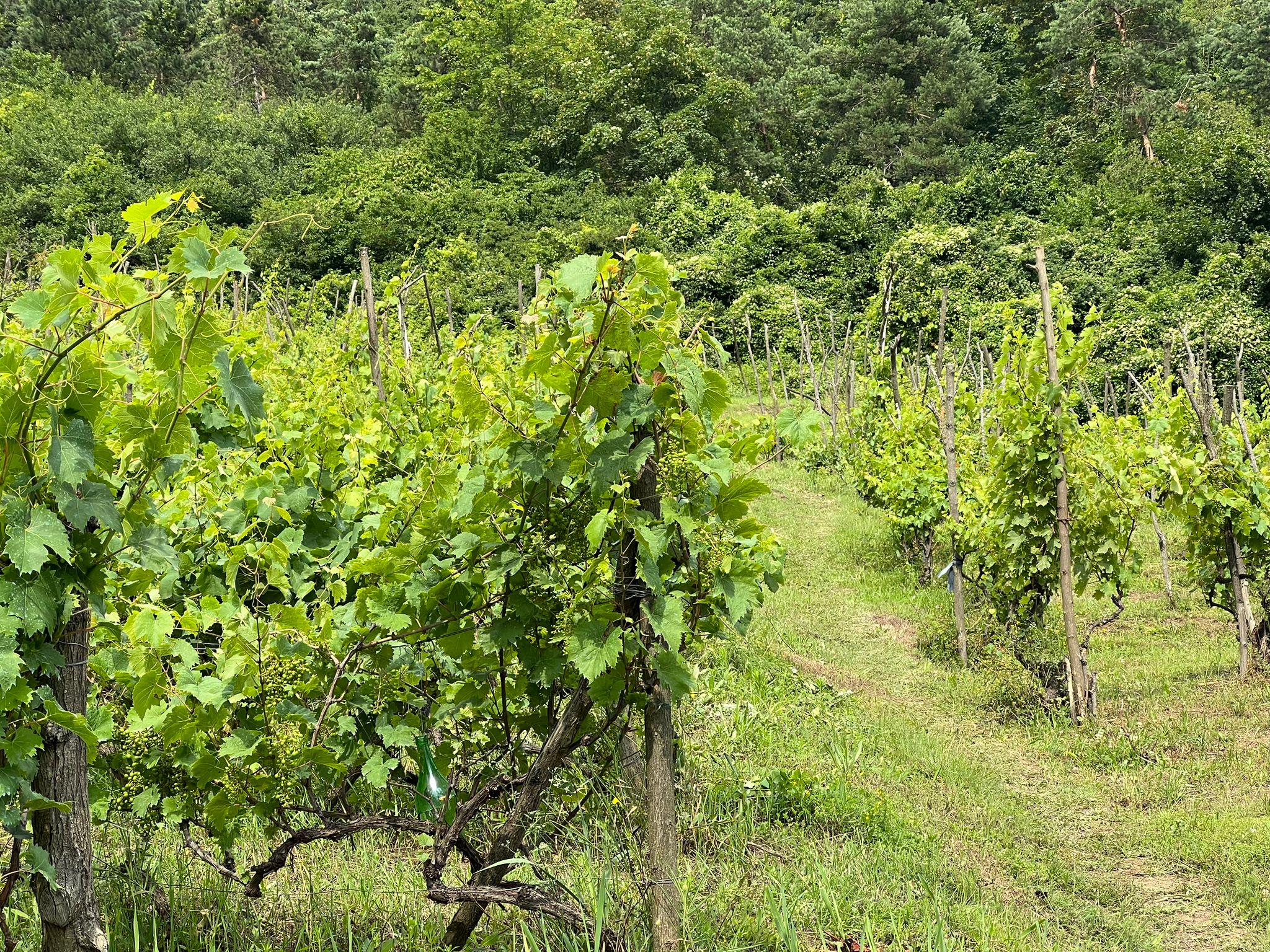
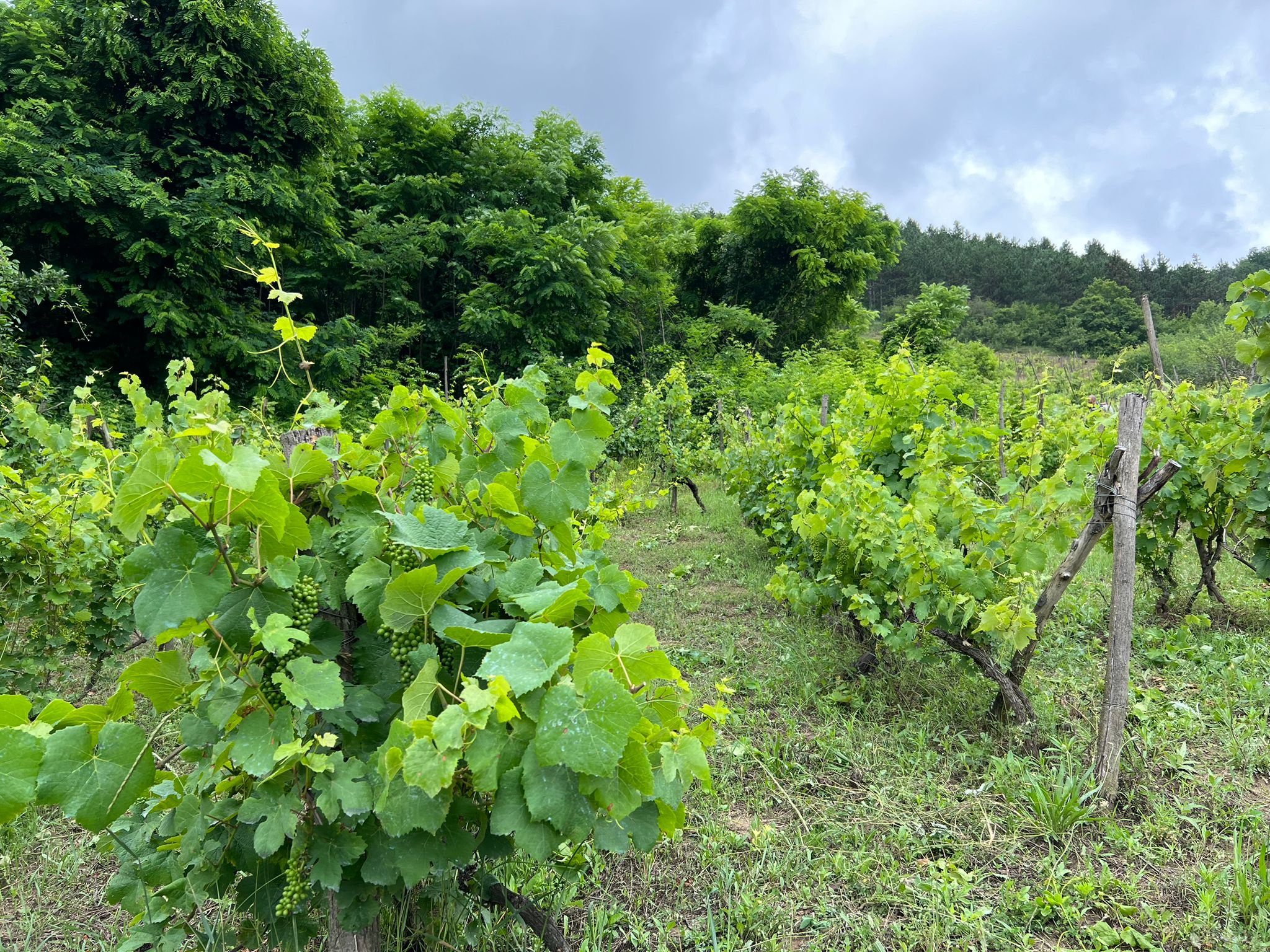
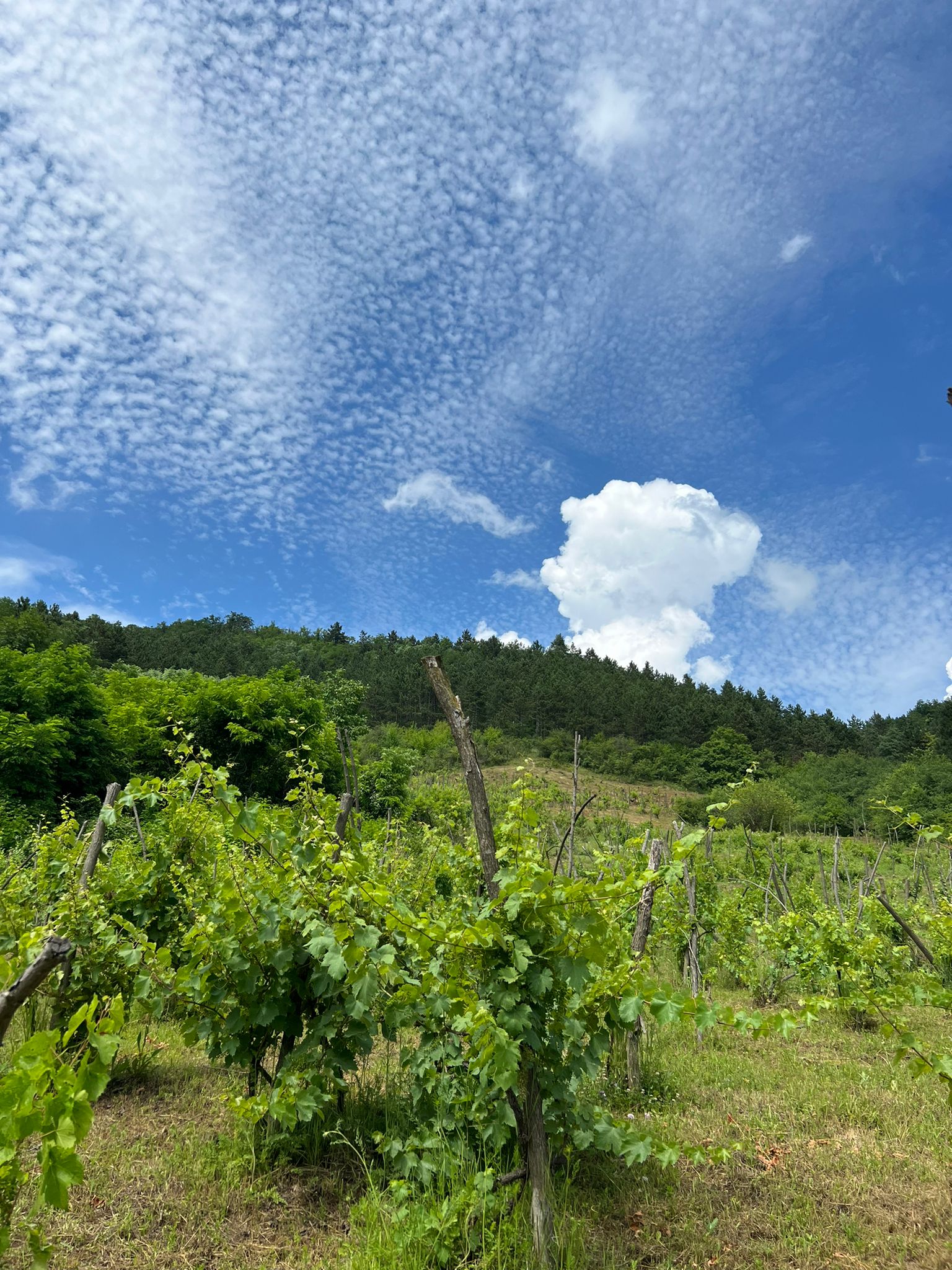
”Am intrat în posesia viei în iarna din 2019” povestește Delia, ”iar atunci nu știam ce mai trăiește, fiind o junglă nelucrată de 3 ani, fapt ce a pus în pericol viața acestei vii.” Salvarea ei și apoi repunerea în funcțiune a fost un efort continuu, depinzând mereu de forța manuală de lucru care există sau nu.
Satul Tăușeni are o istorie de peste 700 ani, însă în 2019 mai erau în jur de 100 locuitori, iar astăzi sunt undeva la sub 50 de locuitori , cu vârste de peste 80 de ani.
O vie bătrână într-un sat îmbătrânit.
Fiind o densitate mare de plantare, de sub 1 m distanță între araci, și o pantă accentuată, e foarte dificil pentru lucrările specifice. Delia își amintește că a prins ultimul săpător din sat, pe nume Lazăr, care este încă în viață și foarte bătrân și poate spune că a fost norocoasă să vadă cea mai frumoasă săpătură din vie. Ulterior a cerut ajutorul familiei, prietenilor, foștilor studenți, voluntarilor ș.a.m.d.
După perioada de paragină, procesul de regenerare durează de ani de zile și este important ca fiecare leziune să fie tratată. De asemenea, unii butuci s-au înălțat și au roadele și de la 2 m înălțime.
”Doresc treptat să cobor înălțimea butucului, fără a face tăieri radicale și leziuni care pot periclita viața butucului. Deja se văd rezultate și chiar există câțiva butuci pe care îi consideram lipsiți de viață și într-o zi cu soare, cu un pic de grijă, aceștia au repornit la viață.” povestește Delia.
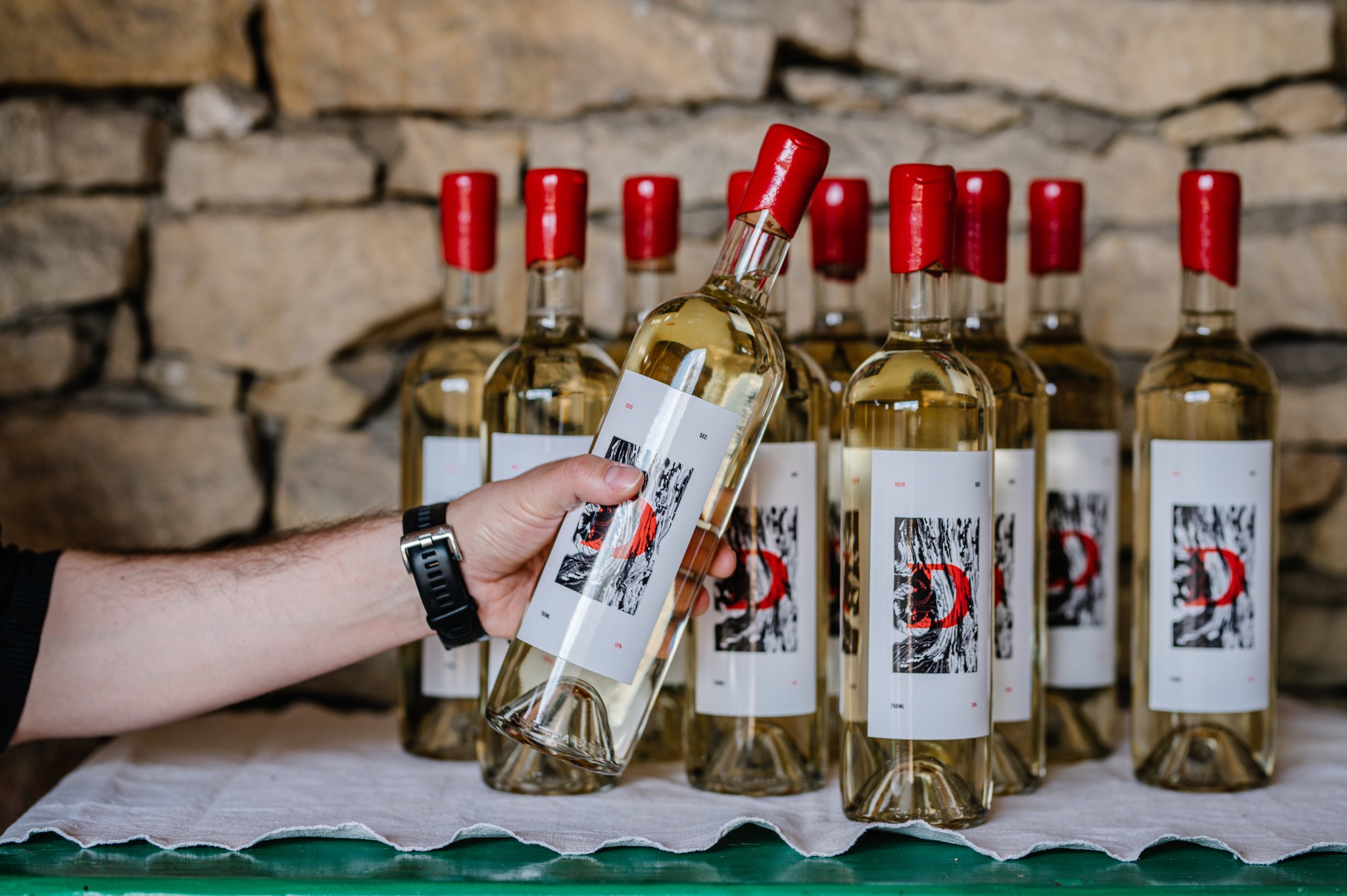
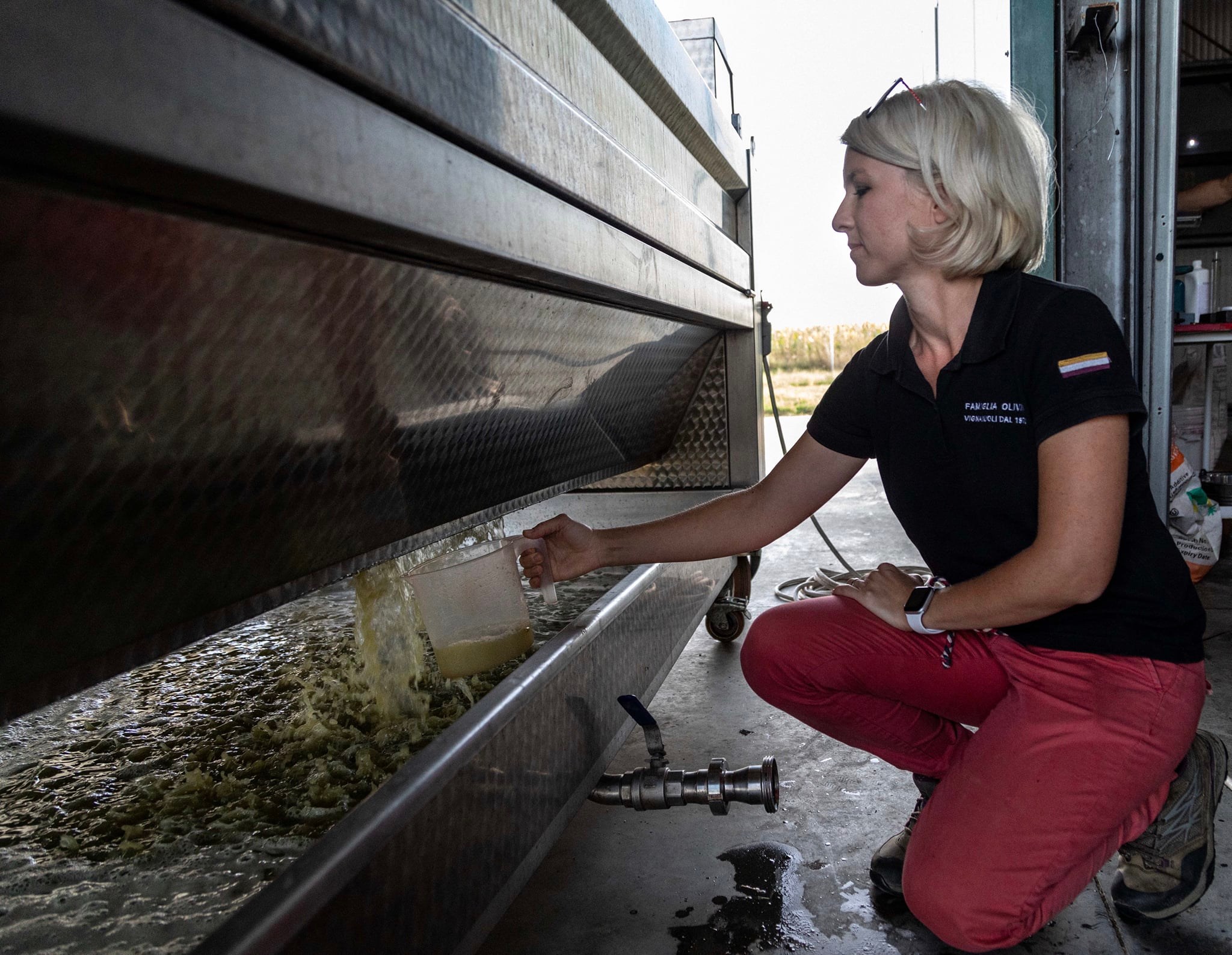
”Am hotărât să fac o vinificație în alb din toate soiurile și în anul 2020 am obținut primul vin” își amintește Delia. ”Fermentat controlat la 12°, în prezența drojdiilor selecționate, urmat de fermentația malolactică, în care am coborât aciditatea de la 8 la 6, după care s-a efectuat o filtrare sterilă înainte de îmbuteliere.”
Natura oferă și surprize neplăcute -în 2022 Delia a avut una dintre cele mai bune producții de struguri, însă o invazie de viespi înainte de cules a distrus cam 70-80% din producție în decurs de aproximativ o săptămână, via nefiind tratată chimic.
Cei 20% din struguri rămași au fost puși la deshidratat câteva zile și apoi vinificați. ”Încă mă întreb în ce direcție să merg cu vinul respectiv, m-am gândit să-l amestec cu Fetească Albă de Lechința, pentru că aș vrea deja să-l comercializez, având un număr mare de cereri pe piață. Mi-am propus însă ca vinurile din viitoarele producții să fie realizate pur din via veche, indiferent de cantitatea de struguri obținută”.
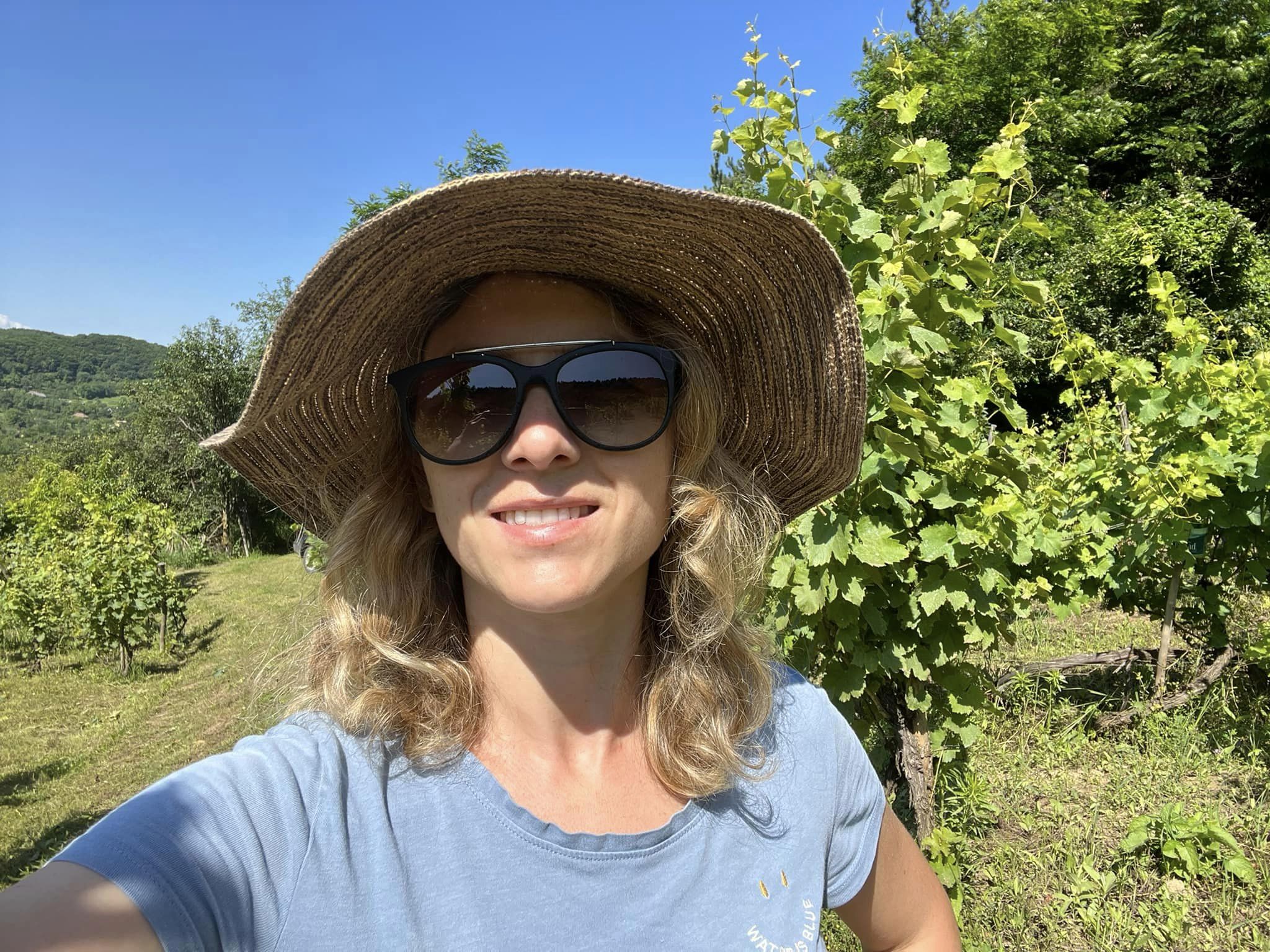
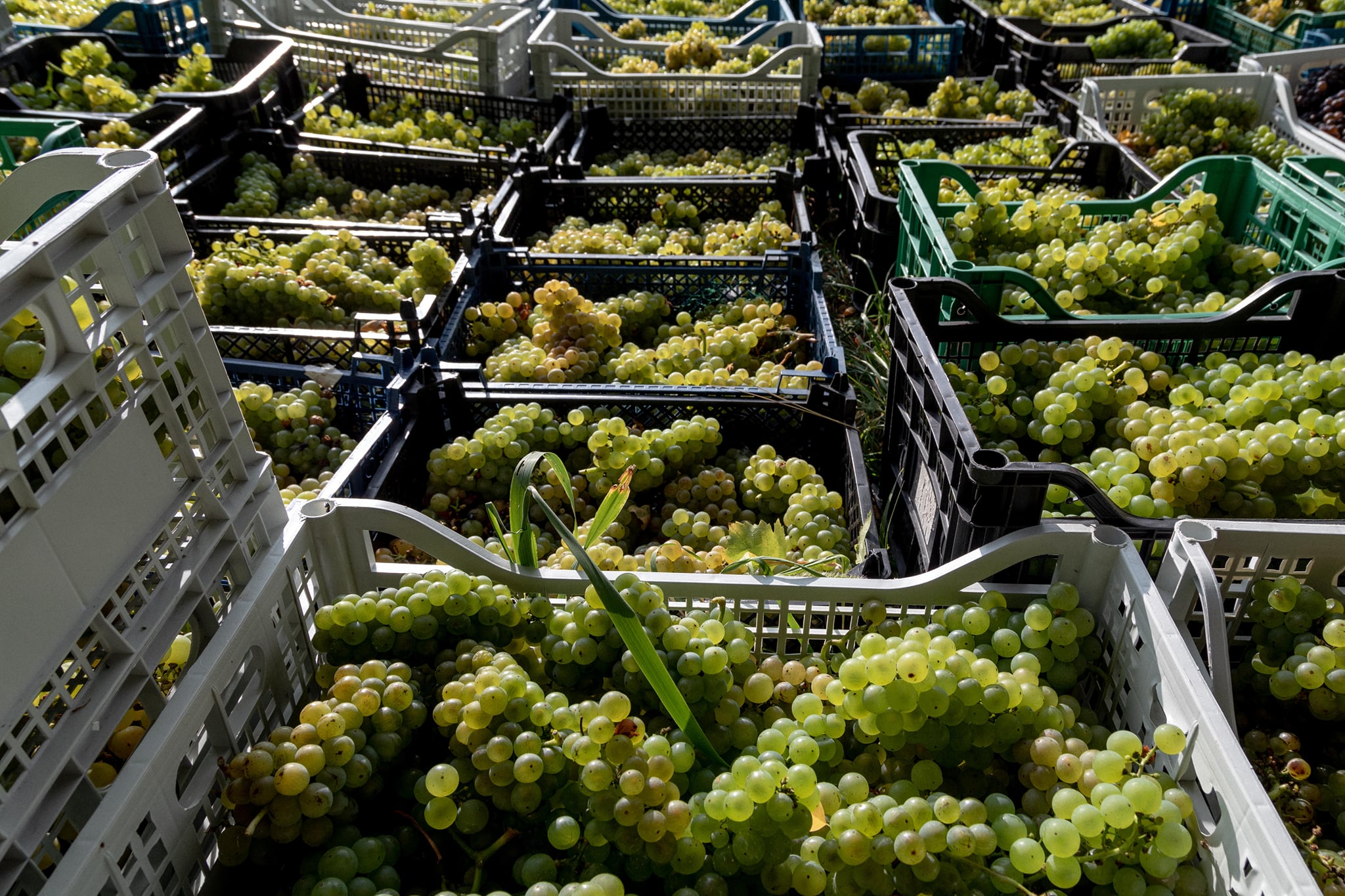
”Realizez ce importanță are această vie la ora actuală, în condițiile schimbărilor climatice și pentru mine prioritar este să salvez și regenerez fiecare butuc în parte” ne spune Delia. Anul acesta a plantat primii butași din Pinot Gris de 130 de ani, pe rădăcini proprii (“franc de pied”).
Dincolo de salvarea plantelor, este un demers asiduu și salvarea ei din punct de vedere legal. Din acest an Delia a reușit să introducă satul Tăușeni în Centrul Viticol Dej, Regiunea Viticolă Podișul Transilvaniei.
Iar viitorul vinului? Convingerea ei este că vinul se pretează pentru o a doua fermentație: ”spumant, da, metoda tradițională, poate undeva minim 24-30 de luni pe drojdie. Raportându-mă la calitatea strugurilor de anul trecut, îmi doresc să obțin un spumant alb cu potențial lung de învechire.”
Dincolo de mândria vinificatorului pentru vinul său, Delia simte că are o responsabilitate: ”să înmulțesc plante și să furnizez butași care vin la pachet cu toate calitățile și rezistențele dobândite de-a lungul anilor”.
Cu Via din Tăușeni își dorește să dea un exemplu de bune practici, să fie un model de viticultură sustenabilă, organică, care respectă și sporește biodiversitatea.
Delia consideră că în viitor trebuie să păstrăm și să respectăm vițele vechi, nu doar pentru că fac parte din patrimoniul și trecutul producției de vin, ci pentru că sunt esențiale pentru viitorul vinului.
Referințe:
https://www.instagram.com/viadintauseni/?hl=en
https://www.theguardian.com/food/2021/may/16/do-old-vines-really-make-the-best-wines
https://www.jancisrobinson.com/articles/guide-our-old-vines-coverage
Photo credits: Delia Szekely.
–>>ENGLISH VERSION
Three Centuries of History: The Tăușeni Vineyard. A Time Capsule.
The world in 1893 was vastly different from today: empires, steam locomotives, top hats and tails… And yet, we can have a direct, sensory connection with those times: we can drink wine from the vineyards of that era. In a way, we take a gulp of history, quite literally. Old vineyards are more than museum plants; they are living witnesses that have not only existed in the past century but even in the one before!
Delia Szekely, a researcher and consultant in viticulture and oenology, is also the owner of (probably) the oldest producing vineyard in Romania: the Tăușeni Vineyard. She is the one who saved and restored this „relic” from the 19th century. „Taking care of such a vineyard is like taking care of elderly people. Each vine needs individual treatment, and careful consideration before resorting to more drastic measures.”
The term „old vine” has recently entered the vocabulary of wine growers. For centuries, grape growers did not concern themselves with the age of the vine. The phylloxera invasion at the end of the 19th century acted as a major reset in the viticultural timeline. We could count the years AF (ante-phylloxera) and PF (post-phylloxera), that’s how significant that event is for the vineyards and wine in Europe.
„An old vine generally needs to be over 50 years to be considered old, although the peak productivity lasts until around 35 years, and beyond that age, producers replace the plants with younger ones to take advantage of the higher yields per hectare,” declares Delia. Even more spectacular are the vineyards that are truly ancient, over 100 years old and even more!
Talking to Delia about old vineyards, one can see her affection for the plants, the pride that fills her eyes when she explains the applied techniques. The relationship may be emotional, but it is not irrational: there is scientific background, even if fragmented and insufficiently developed.
Old vines are more resistant to heatwaves and drought, making them much more capable of surviving the volatility of climate change. They are perfectly adapted to the local microclimate, enduring diseases and pests, frost and rain, as well as human factors such as neglect or even destruction.
And their low yields lead to the production of wines with remarkable concentration and intensity.
The Tăușeni Vineyard was established by the parisher Boroș Ilarie from Gherla. In 1893, he brought several noble grape varieties and rootstocks from the United States. Together with a French engineer, he selected the plot where the vineyard is planted and the percentage of varieties, a highly sensitive topic at the moment: phylloxera was still wreaking havoc in vineyards in Eastern Europe, and grafting was just beginning to show results. Local growers did not place their trust in a single grape variety.
The focus was on white varieties: Pinot Gris, white and rosé Chasselas, Traminer, Neuburger, Feteasca Albă, and Riesling. In the 1990s, the gaps were filled with cuttings of Napoca, Perla de Zala, and Muscat Ottonel. „There are a few red grape varieties in the vineyard, but we haven’t been able to identify them yet. However, genetic analyses will unravel the mystery,” says Delia.
From a small rural property in northern Transylvania, the vineyard managed to rise from anonymity, winning a local gold medal in the 1930s and taking second place in Paris in the blended wine category.
In 1944, Boroș’s vineyard was purchased by the Tuluc family, who used it until 1962 when the communist collectivization took place. Then it was reclaimed and cared for until 2016. That year also brought the largest quantity of wine ever made from that vineyard, around 6,000 liters.
„The Tăușeni Vineyard was among the first post-phylloxera grafted vineyards planted in Romania,” Delia recounts. They have thrived over the years and gained considerable resistance to diseases and pests. Its roots reach depths of over 15 meters, extracting nutrients from multiple geological layers. It also displays remarkable resilience and regenerative capacity facing torrential rains, cold, drought, hail, and requiring fewer phytosanitary treatments.
The vineyard is located Bonțida commune, Cluj County, in a hilly area with clay-loam soil, a southern exposure at an altitude of 500 meters, on a slope with up to 30 degrees incline. The terrain is quite steep and challenging to work with, but it provides good aeration and water drainage.
Its peculiarity is the positioning within a sunny and sheltered spot of the hillside, where the vines do not freeze even at temperatures as low as -16°C. The area boasts a rich and well-preserved fauna and flora, as there has been no industrial-scale agriculture there. Nearby, there is an old deciduous forest on the northwest slopes, while the southern slopes are covered with pine forests to combat erosion.
„I took possession of the vineyard in the winter of 2019,” Delia recalls, „and at that time, I didn’t know what was still alive. It was an untended jungle for three years, endangering the life of this vineyard.” Saving it and putting it back into operation has been a continuous effort, always dependent on the available manual labor.
Tăușeni village has a history of over 700 years, but in 2019, there were only around 100 inhabitants, and today there are fewer than 50, mostly over 80 years old.
An old vineyard in an aging village.
Due to the high density of planting, with less than 1 meter between rows, and the steep slope, vineyard work is extremely difficult. Delia remembers that she managed to find the last digger in the village, named Lazăr, who is still alive and very old. She considers herself lucky to have witnessed the most beautiful digging in the vineyard. Later on, she sought the help of family, friends, former students, volunteers, and others.
After the period of neglect, the regeneration process takes years, and it is important to treat each scar. Some vines have grown wildly and bear fruit at a height of 2 meters.
„I aim to gradually lower the height of the vines without resorting to radical pruning or causing injuries that could endanger their lives. We can already see results, and there are even a few vines that we considered lifeless, but one sunny day, with a bit of care, they came back to life,” Delia shares.
„I decided to make a field blend white wine in 2020,” Delia recalls. „It underwent controlled fermentation at 12°C, using selected yeasts, followed by malolactic fermentation, which reduced the acidity from 8 to 6, and then sterile filtration before bottling.”
Nature also brings unpleasant surprises. In 2022, Delia was looking forward to a spectacular harvest, but an invasion of wasps destroyed around 70-80% of the production in just a week before harvest, as the vineyard was not chemically sprayed.
The remaining 20% of grapes were left to dry for a few days and then fermented. „I’m still contemplating which direction to take with that particular wine. I thought about blending it with Fetească Albă from Lechința region because I already have a high demand for it. However, my goal for the future is to make wine exclusively from old vines, regardless of the quantity.”
„I am aware of the importance of this vineyard given the current climate change, and my priority is to save and regenerate each vine individually,” says Delia. This year, she planted the first 130-year-old Pinot Gris cuttings on their own roots („franc de pied”).
Aside from saving the plants, there is also a diligent effort to register the vineyard’s appellation. As of this year, Delia has succeeded in including the village of Tăușeni in the Dej Viticultural Area, within the Transylvanian Plateau IG.
And what about the future of the wine? She firmly believes that the wine is suitable for a second fermentation: „sparkling wine, yes, using the traditional method, possibly aged on lees for a minimum of 24-30 months. Based on the quality of last year’s grapes, I hope to make a white sparkling wine with long aging potential.”
Beyond the pride of the winemaker about her wine, Delia also feels responsible to „multiply the plants and provide cuttings that come with all the qualities and resistances acquired over the years.”
With the Tăușeni Vineyard, she aims to set an example of best practices and be a model for sustainable, organic viticulture that respects and enhances biodiversity.
Delia believes that in the future, we must preserve and respect old vines, not only because they are part of the heritage and history of wine production but also because they are essential for the future of wine.
References:
https://www.instagram.com/viadintauseni/?hl=en
https://www.theguardian.com/food/2021/may/16/do-old-vines-really-make-the-best-wines
https://www.jancisrobinson.com/articles/guide-our-old-vines-coverage
Photo credits: Delia Szekely.

 Vinul din Cluj
[…] mai ales mulțumită celor de la Crama La Salina, dar și echipei mici și inimoase de la Via din Tăușeni. Și totuși, niciodată nu e târziu pentru încă o apariție, încă o etichetă nouă, încă o […]
[…] aproape un an în urmă scriam despre cea mai veche vie din România. Între timp a mai trecut o recoltă, a mai venit o primăvară, iar via a făcut ce știe ea mai […]